
Russian Cosmonaut

ENG 270B

Xavier A. Talamantes

May 14th

FD4

Word count 1540

Russian Cosmonaut

“Hey, you know that story of the Russian Cosmonaut?” I asked.
“What?” Kevin replied.
“Well, he goes up in this big spaceshi–”
“Wait! No, not again haha!”
“Fiiiine.”

In our off-campus housing, most of the residents have left. Kevin is my roommate, a 25-year-old international student from Taiwan, studying Hospitality. We’ve lived together for almost two years now but we’ve never spent much time hangout before the stay-at-home order. He’s planning to leave near the end of the month as well. During social distancing with the park, shops, restaurants, even the sun deck on our building closed, there isn’t much to do besides watching Netflix or YouTube after doing some homework. In our small dorm, we’re forced to either sit on our beds or go out into our living room/common area and socialize with each other.

“I’m soooo bored!” I sigh.
“Me too… Want to play something?
“What?”
“I don’t know–Fortnite, Smite, Pokemon, whatever.”
“Mmph… Sure, but I’m hungry first.”
“Oh hey, I have a question,” he laughs “is a hot dog a sandwich?”
“What? Haha, I don’t think so, the bread is on the sides which is weird. Sandwiches, the bread it on the bottom and the top.”
“Okay, wait though, what if you make a sandwich like with regular, bread, peanut butter, jelly, bread–or whatever–but you eat it from the top down?!” he laughs.
“Haha, wait, what? No! But, how about we UberEats something, I have like a promo or something.”
“Yeah, that sounds good. What’s around?”
“Well, there is a lot of fast-food, some random local cafes… California Pizza Kitchen, you like CPK?”
“California Pizza Kitchen, like at Ala Moana? I’ve never had it before.”
“Oh! It’s pretty good, I like the chicken tequila fettuccini. They got pizza, sandwiches, and stuff.”
“Sure, sounds good. I’ll just Paypal you.”
“Yeah, sure, go ahead and order whatever you want.”, I said as I hand him my phone.

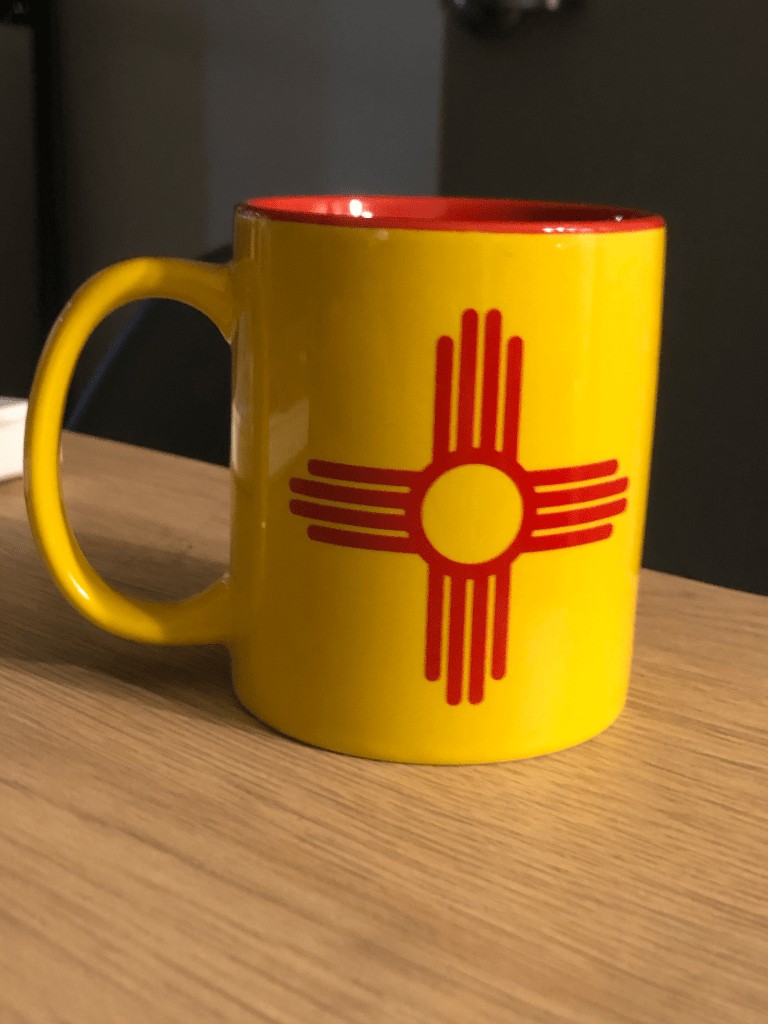
Normally you’d hear groups of people walking and talking down the hall, students at the restaurants below our building, or cars in the street. Since the pandemic started in Hawaii, everything has become so quiet, empty, and grey. Even the birds seem to have left, and the trees sit still. Kevin and I up until now rarely talked more than the light conversation in and out of the apartment, to be honest, but for the first time, I’m a bit sad to see him leave. I see my yellow coffee mug with a New Mexico state flag printed on the side sitting on the counter. I’ll be moving there soon and will have to meet a bunch of new people at the new Starbucks I work at, and university. Kevin and I normally kept to ourselves, which is nice because our apartment was always clean and pretty chill which I’ll miss when I move. We could both probably pack a single bag and the entire apartment would look virtually unlived in.

“Thanks,” he said as he hands my phone back.
“No problem,” I said as I select my chicken tequila fettuccini and order the delivery. “So, looking forward to being back home?”
“Yeah. I’ll miss Hawaii, I’m not sure when I’ll be back. Probably not until school starts again.”
“Yeah, there isn’t much to do here anyway.”
“How about you, have you decided if you’re going back home or not?”
“No, I don’t think so. I’m probably just gonna staying here for the summer. Starbucks is opening sometime in May I think, so I’ll be back at work and stuff soon so… Yeah. I think I’m transferring from Hawaii though, yeah.”
“To another university in Montana? That’s where your family was from, yeah?”
“Yeah” I reply, surprised he remembers, “that’s my home state. No, though, I’m moving to Albuquerque, New Mexico.”
“Have you been there before?”
“No,” I laugh, “but it looks nice, a change in scenery. Alburquerque is bigger than Honolulu, it’s a lot cheaper to live there, I got a scholarship actually, and there’s just more design opportunities over on the west coast and stuff.”
“Ah, then you’ll probably not be here when I get back.”
“No, I’ll be leaving in July… Hopefully, you’ll get the place to yourself! If they don’t move anyone else in”
“Hopefully not, I don’t think too many people will go too far after this for a while, especially international students.”
“True true. Do you think you might stay over there?”
“I might.”

After a couple of minutes of silence, I open up the Instagram app a half an hour goes by in a flash before I get the UberEats notification that the driver will be arriving soon, “Hey, the food is almost here.”
“Finally, that took a while,” he says blandly “Oh! Did you get my PayPal?”
“I know. Yeah, no worries. I think I’ll go ahead and head down to meet them now, delivery drivers always get lost in the parking garage.”

I ride the elevator down seven floors before I reach the second-floor parking garage and wait in the lobby. A couple of minutes go by before my phone vibrates.
“Hi, this is Amanda, your UberEats carrier. I’m over here in this ally way, can I go into this garage, or will I have to pay?”
“Oh, no worries!” I reply “Yeah, you can just drive right in and the little arm thing will lift automatically and you should be able to get out just fine.”
“Awesome, I’ll be right up.” The UberEats lady quickly pulls up the ramp and hops out of her red Prius, “Order for Xavier?” she says through her mask.
“Yes mam” I reply.
“Here you are!” she says as she places my order on the hood of her car for me to grab to avoid direct contact.
“Awesome, thank you very much!”

“Foods here,” I shout as I arrive back at the apartment.
“Great,” Kevin says from the couch Kevin, “Wanna watch The Office?”

This is the first we’ve had a meal together in the nearly two years we’ve lived here. I get lost in thought awhile we sit and eat on the couch, wondering why we haven’t hung out more after being roommates for so long. I mostly blame being busy with classes and working full-time initially, but I fear maybe it’s my fault for being too shy and awkward. Maybe I should have invited him out to do things more often, but our schedules were so different that were rarely ran into each other anyway. Is this me being awkward now thinking this? I thought.

“Cool,” he said pausing for a bit before resuming, “Well, it was nice living with you. It’s too bad we didn’t get to go on a hike or something before all of this happened.”
“Yeah, I know, that would have been fun. Our school schedules were always so off… How many years of school do you have left?”
“Just one more. How about you?”
“I have just about two… But maybe more since I’m transferring though. I don’t know, I can probably just take a summer semester or two to and catch up.”
“Yeah.”
“Yeah… You were a good roommate though, yeah haha” I try to respond without sounding too awkward “If only you’d do your dishes more” I joke to lighten to mood.
“Yeah yeah, whatever Mr. always waits until he has no clothes left before he does laundry” he jokes back “You have a Snapchat I can add?”
“Yeah, we’re not already friends? It’s soyxt.”
“What?”
“It’s Spanish, soy means I’m or I am, and x t is my initials”
“Oh yeah, you’re half Mexican right?”
“Yeah, though my Spanish is pretty bad honestly” I laugh “My Japanese has gotten pretty good here in Hawaii though. You studied Japanese in Taiwan, right?”
“Yeah, if you ever want someone to practice your Japanese with, feel free to DM me, I’ll help you study, and you can help me with my English.”
“Yeah, that would be awesome, thanks! I don’t feel like it will be very popular in New Mexico. If you ever there for some reason, feel free to crash on my couch.”
“Thanks, same if you’re ever in Taiwan.”

Social distancing is hard, especially when you know your time somewhere is limited. But, having friends or family to spend it with can make it a lot better, and being able to make a new friend during all of this has felt ever so more meaningful. It was a shame we didn’t get to hang out much sooner, but the timing was still perfect because it helped to give me some reassurance about the future during a difficult time. Soon I’ll be moving, and it’ll be a new place, with different people, and post-COVID 19 which everyone is still wondering about. But some things never change, I’ve already moved across the ocean before and made a life for myself. It may have taken a while for us to find the time, but Kevin and I were able to become friends and that helped boost my confidence. I know I’ll be able to meet all sorts of new people, walk down the street in the city on day and know where I’m going, and I’ll be fine. We all will.
Y
New Mexico Flag Mug

Gloomy Weather with all its Feels

Xavier A Talamantes
ENG270
May 11, 2020
Word Count: 840

Stone cold clouds loom close overhead, concentrating the cold and heaviness upon you. The wind is sharp, as it cuts at your nose and fingers. Your bones feel brittle, and joints go stiff. The trees are leafless, as they line the sidewalk, with colorless bark. Like stone watchtowers before you, trees are shrouded by a swirling sphere of mist.

There will be a time in your life when everything feels like it’s falling apart. You may feel like you’re alone with your struggle, and the fear of other people’s judgment just adds more emotional pressure. Everything you’ve worked towards could be your last, things might never be the same, perhaps more than ever before, you don’t know what tomorrow holds. It might feel best at the time to give in and succumb to the darkness. Emily Dickinson illustrates this beautifully in her poem, “The Bustle in a House” when she writes,

The sweeping up the heart,

And putting love away,

We shall not want to use again

[thesis]We will all experience these turbulent times at some point in our lives, though regardless of its severity, there is always a brighter outlook.[thesis]

When you’re young and naive, you have this longing for adventure. You know the life you want is out there, and you’ve already romanticized it. “The sweet-tastin’ good life is so easily found, way over yonder, that’s where I’m bound” as put by Carole King. It’s an old, American fantasy, of life and adventures on the road. Every night something new, to be knowledgable of the road and bar talk. Maybe it’s the wind in your hair on a Harley Davidson or the sound of timeless tracks on an old Ford pickup’s cassette player.

Have you been on a long road trip before? You’ll soon learn it isn’t all its made up to be. We’re talking hours upon hours in a car, in traffic, with the sun glaring in your eyes, not having a place of retreat to rewind from the world in your shower and bed. The first time you get to do these things after a long trip you appreciate what you once took for granted. This is just one example though, it doesn’t have to be a road trip. It may be a dream career, a person, money, lifestyle that you need and if you don’t you know you’ll never be happy. It consumes your every thought and decision. You miss important events likes weddings, parties, and you slowly push people away, as you dedicate years into work for this ultimate end goal, that you miss all the amazing small events and achievements in life that make up a fulfilling life and foster the close human connections we all need as social creatures. What’s perhaps even more unfortunate, is that many of us will never get to that end goal which had slowly over the years chipped an empty spot in our hear into a roaring chasm.  When faced with the glaring abyss, we feel a chilling depression and the feeling of failure is hard to shake off. We end up, back on the same highway from decades before, in that small bar in the middle of an imposing desert. We sit alone at the bar facing a deer head up on the wall, drinking our Everclear, as we hear the sound of some young couple entering the establishment with wide eyes and confidence that gives away their true naiveness. 

Proulx describes this moment intensively in her short story, The Half Skinned Steer, with Mero our main character, and as a means escaping his past, he leaves in his home, pushing away everyone from his past. He goes on to acquire financial wellness, but that doesn’t bring him true happiness. Perhaps, as a result, his relationships with women are strained as in the story we learn about his three failed marriages and his “sampling” of others, he seems to think of women as tools for fulfilling an unquenchable desire he carries.

In, A Most Disgusting Song, by Rodriguez, he sings about characters we’re all familiar with to varying extents. Characters and timelines for gritty, dark, and gloomy events that we’ve all encountered at some point, either personally or indirectly. In all the stories presented by these writers, we’re able to see the same story at different points along with its progression. But, present in all of them is a sense of sadness that is overcast across the whole experience.

I want to clarify, I believe dreams are powerful, and being driven and ambitious are admirable traits. But, here’s a line from a song I recently heard called Growing Pains by Birdie, “you can search forever for the person you’ll never be,” that I feel captures a defining factor in this narrative and relates to a common element in all the readings in this paper.  Chasing a life, money, or a feeling. Until you’re able to confront yourself and come to terms about the reality of yourself and everything that’s shaped you, you’ll be going nowhere. 

Works cited:

King, Carole. “Way Over Yonder.” Tapestry. Ode Records. 1971.

Rodriguez, Sixto. “A most disgusting song.” Coming from reality. Lansdowne Studio. 1970.

Proulx, Annie E. “The Half-Skinned Steer.” The Atlantic. 1997.

Dickinson, Emily. “The Bustle in a House.” Poems by Emily Dickinson. 1890.

Birdy, “Growing Pains.” Beautiful Lies. Atlantic Records. 2016.

Chocolate Milk w/ Hot Cocoa & Cream

ENG 270B

Xavier A. Talamantes

April 30th

RD4

Word count 1645.

Notice: This story features some spoilers from Roman Fever. Made a few word-changed May 1st.

Chocolate Milk w/ Hot Cocoa & Cream: Draft

The dishwasher is running, it’s an oddly pleasant sound. Muted enough to be ambient, but loud enough to add an underlying rhythm to my thoughts. Whitenoise kind of, but not so creepy. “Let’s get ourselves into the writing mood” as I cleared the commons area table for my MacBook and light a candle for some soft light. The off-campus housing provided a comfortable dorm-esque environment. Our dorm has a kitchenette which runs along the wall straight ahead of my makeshift desk in the commons. A New Mexico mug of chocolate milk on my right, the warm smell of Hot Cocoa & Cream radiate from the candle on my left, the small green numbers shine 8:35 straight ahead. “I have a couple of hours still. What are we doing today?” as I review the guidelines for paper four. 

Essentials

  1.  “…capturing a dialogue that you either participated in or observed first hand.”

I groan “We don’t all have interesting lives. What can I write about? I’ve never enjoyed writing about personal experiences. I’m not sure why, but I don’t enjoy writing about myself. I think it’s because I’m not self-absorbed.” I’m taken back has trying to spearhead a way out of this. “Writing about yourself isn’t inherently self-absorbed, but, I don’t understand the unwavering demand for it. Perhaps its a case of personal isolationism, but I don’t feel like sharing one’s personal experiences or perspectives is something that should be freely gifted, especially in an environment where one risks being evaluated for it. In a public and social setting, a  common and agreeable behavior is to be desired. I feel it could be a bit imposing to push one’s own experiences into a discussion with others who weren’t present and may be unable to relate, it brings up the opportunity where many misunderstandings and unintended consequences could arise. There is always a time and place where viewing other perspectives and experiences can be educational and personally enriching, however, it does not hold a place with the newly acquainted,” pausing to take a sip of the velvety-smooth beverage, “perhaps it’s my upbringing. I do feel that most people don’t accurately interpret what I mean though, this social concept. The general idea is that social interactions should be pleasant, as conflict and negativity do no one any good. To avoid such incidents, one should try to converse able commonly-shared topics, interests, and knowledge. One should always be humble, and one should strive to be a neutral party. Even if unintentional, pride and arrogance can sometimes still be detected when one feels to need to share intimate personal details (especially when out of relevancy).” Dogs barking nearby reach our 8th-floor window, Monica (my dog) yaps in response, “there, there dog calm down” I call as I get up to soothe her. The hard plastic chairs in the commons can get a bit uncomfortable after a while as well, so it’s nice to have a little stretch. 9:04 glows in dark of the room, “we’ve still got some time.”

The electric tea kettle glows blue, it’s pretty cool, as it boils, the dog has curled into a tight circle, and everything has quieted down. “Maybe it’s too quiet… I’ll put on some study beats.” the most popular of course being the lo-fi one from ChilledCow. “We’ve got some nice calm music, now let’s do this.” as I get seated and try to overview my paper “What to write. Indecisiveness has always been a trial for me. But more so, this writing about personal experiences. Here’s another thing, I feel like learning random excerpts from one’s life should be reserved for genuine connections, and not freely offered in light conversation with people who one may not consider companions. This allows for a truly more meaningful experience when one does decide to share intimate or personal details and stories from one’s life. These stories are inherently important as they help shape our personality and reasoning, they valuable and should be earned. The defining drive to share such moments with another should be based on the mutual want to become closer friends and not for selfish reasons. One should always ask themself before sharing life experiences, what do I hope to gain from this? If one wishes to be impressive, boast accomplishments, belittle, or gain sympathy one should hold their tongue. This puts the other person in a position that they either have to concede to the other person’s desires or risk causing a conflict which is an uncomfortable situation, and they may feel pressured into sharing personal experiences as well before becoming comfortable just yet. Additionally, this could cause an ill-taste associated with the experience which may push once close companions away which is surely not desired. To be brief, enjoy your companion’s company and engage in equally enriching conversation. There are many things to discuss that don’t require demanding viewership of places you weren’t present.” 

Hot Cocoa & Cream comes in a dusty brown jar, semi-opaque when lit. The toasted marshmallow light flickers, as the wax-liquid sways lightly with the vibrations in the room. The layers of wax viewable from the outside, open flame being the lightest, melted wax in the middle, and solid wax the darkest. I stare down at the keyboard of my laptop, play around the brightness slider on the touch bar. 9:50 glowing green in the dark. “I sound petty, don’t I? I don’t mean too, there are always different views of everything, and every situation is different. To be truthful, I love reading biographies and memoir. People’s journeys are interesting to hear, I do enjoy them. There’s so much to learn, and I think it’s really important to be able to see things from all different experiences and walks of life. I think my biggest dilemma is that I also see people so often imposing their views without consideration on others, boasting, attempting to come across as cool, interesting, and impressive. Or people who try to take advantage of others’ empathy with dramatized renditions. These negative experiences have overcast a cold, chilled, frozen, icy, stone, piercing, dark, frosted, cold, coold–what setting is the AC at?” I rarely feel cold here in Hawaii, but it’s getting later into the night, the stars are out, cars are slowing, and the full gust from the air conditioning is more than adequate. With the lights off and little moonlight from the one window in the commons area, I like to watch the amber glow of the candle on my hands cupped above it. I feel lightly toasted, it reminds me of back home in Montana. Cold and cool light and colors cast from the bluing snow in the evening, contrasted by the soft autumn-like colors of the fire. Laying in front of the fire, with a mug of hot cocoa & cream. The smell of the candle is eerily close. I put on an old grey shirt from my high school, “didn’t I get this in when I was like what, 15? Why am I so short still?” with a groan.

Lofi-study beats are mostly continuous, you don’t notice it changing most the time. Occasionally though it does have an almost pause, a moment of silence, before transitioning to a new track. The clock in the microwave straight ahead reads in glowing green, 10:11, with only a single police siren wailing in the distance, this just happened. “Okay boy, we’ve got this going on” dreadfully reads my notes, ramblings thus far, and my Grammarly score of 86 “this is not good. Dialog, dialog, personal experience, what is the (this a capital) Truth that we musth speaketh of.”

Essentials

  1.  “…capturing a dialogue that you either participated in or observed first hand.”
  2. dialogue dialogue,
  3. characters in 3D, yeah yeah,
  4. The dialogue should make a point that’s important to you. 

“You! That’s me! What is important to me? Well, this is for me. This social-isolationism–That’s the wrong word for that, let me google something…” inserting description of a young racially ambiguous male searching the web in a dark room here “I think a healthier sounding word would be socially guarded. That too sounds a bit, drab? As one does enjoy light-hearted and pleasant conversation, but the defining characteristic is the reservation to interject too personal of stories or experiences, per se.” 10:36 glares through the night at me to wrap this up “Through this internal dialog, I think I’ve gotten somewhere. I mean, we’ve gotten somewhere, a conversation with you, dear reader. I think as we read, we all have an internal conversation with the author… or is that just me? Here, I’ll give you an example.”

I’m sitting on the small grey, fake-leather couch in the commons area. The AC I mentioned before is just above it, so this is the coldest place in the dorm. It was a long day after school, I’ve got my University of Hawaii sweatshirt on, laying back across the sofa. It’s a bit small, so your legs hang off at about the knee-level. One opens the Kindle app because “the future is now, thanks to science!” and ebooks. We’re reading Roman Fever, by Edith Warton, and we’ve just reached the end of the highly amusing story with the final quote:

Mrs. Ansley was again silent. At length she took a step toward the door of the terrace, and turned back, facing her companion. 

“I had Barbara,” she said, and began to move ahead of Mrs. Slade toward the stairway.

The internal crowd goes roaring, party horn sound. “Damn Warton, that was brutal haha.”

“It’s fun, I think we all do this. Anyway, I hope over our conversation I was able to share with you my feelings about this whole thing. Starting from a slightly petty rant, I hope a considerable perspective about the true value of meaningful connections and the effort to keep them genuine and intimate.”

A photo of the very night

Works cited:

 Wharton, E. Roman Fever. 1934.

The Man-Nature Conflict

ENG 270B

Xavier A. Talamantes

April 11th 2020

FD3

Wordcount: 1025

“Tin Head can see the raw meat of the head and the shoulder muscles and the empty mouth without no tongue open wide and its red eyes glaring at him, pure teetotal hate like arrows coming at him, and he knows he is done for” (Proulx). 

A defining element in the American saga is the man-nature conflict. From our founding to present, we’ve worked against the natural world around us to carve out cities, highways, farmlands, power facilities, and wreaked havoc on the ecosystem. [thesis]We’ve like to harness resources for our benefit, but as we’ve interfered with the natural balance, vital wildlife is lost and the environment continually grows more hostile.[thesis] We’re powerless to the effects of massive climate change, and nature doesn’t forget injustice.

When speaking of American Literature, I feel like it’s important to note that today (and historically) our nation is made of so many religious, ethnic, and cultural groups that it is impossible to truly highlight American culture at large, as it’s different in every corner of our country and society. I do believe, however, we can look at the history of our nation and the elite class that influenced the actions and policies of that time to gain perspective about American life throughout its different periods. 

I’ve focused my reading on E. Annie Proulx’s, The Half-Skinned Steer, which I feel exemplifies this prevalent idea of American culture, from literature and media. It tells us about our American heritage of courage, resourcefulness, and adventurism as we pioneer the uncharted frontiers of the American West. This is a story of freedom of one’s destiny, as they explore the wild scapes in search of treasures and territory to lay claim. It was every man for themselves in pursuit of rags to riches story of their own. As Ari Bang (an American literature class student) comments about the American image in a class discussion, “[Americans] they seem to be very good at hunting-even if it seems hard to do-they will do it for the benefit of themselves” (Laulima), emphasizing the individualistic nature American culture imposed.

In The Half-Skinned Steer, we’re taken to a time roughly between 1930-1990. We’re able to read about the struggle between regional and economic divided between our protagonist, Mero’s, experiences starting in Wyoming (the West) and his later life in Massachusetts (New England region). Mero’s life follows a similar story as we described above, going out on his own in search of material wealth and better opportunities.

Through the story, we follow Mero and his journey returning home after decades of silence and absences. He returns after his brother was killed by an Emu on the family farm, which was sold after years of financial struggle to an Australian businessman who creates “Wyoming Down Under,” an Australian wildlife park. This is one of the earliest ill encounters between man and nature as we learn more about Mero’s life and his childhood story about the Half-Skinned Steer. He struggles to come to terms with his past, and actively tries to differentiate himself from his family as he relives memories. Reasons he uses are largely economic, as he boasts he has become wealthy from his work & his ability to buy expensive purchases. His negative view towards his family and past illustrates a socioeconomic divide between classes. He also notes his many sexual encounters and his physical state throughout the story which further emphasizes the material base for the American heritage. There is little said about personal behavior and philosophical or spiritual development, only material wealth and physical ability (beauty & performance). 

Another theme greatly present in both this story and broadly American culture and history is the relationship between man and nature. Proulx highlights this throughout the story many times. The lack of emotional awareness, empathy, and the overbearing struggle to gain more, expand further, and ownership has caused a conflict between man and nature. Man is separate from nature, has to harness the elements, and convert everything it encounters into a resource. I feel like this is a parable for broadly American culture and value today. Manifest destiny wasn’t about peacefully uniting similar people groups who shared common values, as it was about expanding ownership and claiming resources–It has been a defining philosophy. 

Relating this borderline political science paper to literature, I believe many critically acclaimed works of American literature showcase first, this consistent idea of rags to riches and man’s timeless material pursuit of property, partners and affairs, and material wealth. The struggle to gain more for themselves is largely to showcase to others around them to reaffirm their status. Secondly, and increasingly with modern works, we’re looking at our relationship with ourselves, each other, and the greater world around us. This inner reflection acknowledges this negative narrative and offers social criticism. It opens up the question of our relationship with nature and its inevident outcome. Largely, there is more discussion about the morals we choose to identify with as a nation, and how those may conflict with our social view of success. While ambition, pride, and greed have been with us since the beginning, we’ve also nurtured a spirit of tolerance, innovation, and empathy.

The United States was founded unconventionally, and since then as a people and culture, the identity has struggles to maintain itself with every expansion and inclusion of another ethnic group, widening pay gaps, and world crisis. Thus, anything associated suffers a similar fate. The “American” essence is hard to pin-point in literature from a cultural stand-point as everyday individuals’ experiences vary too greatly. But pulling from a root that has been with the broader culture and history of the nation from the beginning, the American heritage, there has been an undeniable conflict between man and nature. Authors seeking to write about America I believe try to answer this relation, and as they write, science discovers, and we find every day. Nature doesn’t forget, and this conflict only results in destruction. “It tossed its head, and in the howling, wintry light he saw he’d been wrong again, that the half-skinned steer’s red eye had been watching for him all this time.” (Proulx, “The Half-Skinned Steer”).

Works cited

Proulx, E. Annie. “The Half-Skinned Steer.” The Atlantic. November 1997. Web.

Bang, Ari. “Paper 3 Discussion 1 (Proulx).” Laulima Discussion, University of Hawai’i. March 24, 2020. Web.

The American Experience | RD

ENG 270B

Xavier A. Talamantes

April 2nd 2020

Wordcount: 1003

The American Experience | Unrefined Edition

What is the American experience, the raw and gritty nature of our country and culture? Growing up, my family moved and traveled a lot, which allowed me to experience many different regions of the country from a more lived-in point of view (not vacation). Manifest destiny has spread our borders so wide and vast, we encompass across a continent and are in about the same weight class as two more. Being American is hard, as states can be thought of as their nations, with their histories and biases. The socioeconomic relationship between the states is not on even ground as well. California, Washington, New York, and Texas cultures and populations largely overshadow the other forty-six states that are in the union–and they face internal conflict as well. What is it to be born in Seattle or Spokane. To get back on track, it’s with hesitation I go on to talk about the proposed question, “what is American Literature?” I don’t believe it’s possible to answer that question without overlooking too many religious, economic, gender, age, geographic, and ethnic groups. Though that has been historical. 

With that noted, I’ve decided to do my focused reading on E. Annie Proulx’s, The Half-Skinned Steer (the Atlantic). As I said, when I say American, I don’t believe any work to truly capture the essence of America, as there’s too broad of cultures and experiences for anything to truly relate and convey to everything. I can concede that there does seem a prevalent idea of what is American. From Hollywood, perhaps lingering wonder from the old days of uncharted lands and untold riches. The idea of going out into the world alone and making something out of nothing seems to be a national fantasy. [thesis]Our heritage tells us we meant to be pioneers of technology, democracy, and that we cannot trust anyone–Your fate is yours alone.[thesis] As Ari Bang (an American literature class student) comments the American image in a class reading, “they seem to be very good at hunting-even if it seems hard to do-they will do it for the benefit of themselves” (Laulima), emphasizing the individualistic nature American culture imposes.

In Proulx’s writing, we’re taken about to a time roughly between 1930-1990. We’re able to read about the conflict between regional and economic division between our protagonists, Mero, experiences in Wyoming (West) and his later life in Massachusetts (New England). I feel this story strongly illustrates the independently ambitious concept of the broadly American heritage I had mentioned before, as he leaves his poor rural family & lifestyle in pursuit of a more socially accepted successful one. The worldly and material life of conquest.

Throughout the story, we bounce between present and past as Mero finally returns home for his brother’s funeral. He struggles to come to terms with his past, and actively tries to differentiate himself from his family as he relives memories. Reasons he uses are largely economic, as he boasts he has become wealthy from his work & his ability to buy expensive purchases. His negative view towards his family and past illustrates a socioeconomic divide between classes. He also notes his many sexual encounters and his physical state throughout the story which further emphasizes the material base for the American heritage. There is little said about personal behavior and philosophical or spiritual development, only material wealth and physical ability (beauty & performance). 

Another theme greatly present in both this story and broadly American culture and history is the relationship between man and nature. Proulx highlights this throughout the story many times. The lack of emotional awareness, empathy, and the overbearing struggle to gain more, expand further, and ownership has caused a conflict between man and nature. Man is separate from nature, has to harness the elements, and convert everything it encounters into a resource. I feel like this is a parable for broadly American culture and value today. Manifest destiny wasn’t about peacefully uniting similar people groups who shared common values, as it was about expanding ownership and claiming resources–It has been a defining philosophy. 

Relating this borderline political science paper to literature, I believe many critically acclaimed works of American literature showcase first, this consistent idea of rags to riches and man’s timeless material pursuit of property, partners and affairs, and material wealth. The struggle to gain more for themselves is largely to showcase to others around them to reaffirm their status. Secondly, and increasingly with modern works, we’re looking at our relationship with ourselves, each other, and the greater world around us. This inner reflection acknowledges this negative narrative and offers social criticism. It opens up the question of our relationship with nature and its inevident outcome. Largely, there is more discussion about the morals we choose to identify with as a nation, and how those may conflict with our social view of success. While ambition, pride, and greed have been with us since the beginning, we’ve also nurtured a spirit of tolerance, innovation, and empathy.

The United States was founded unconventionally, and since then as a people and culture, the identity has struggles to maintain itself with every expansion and inclusion of another ethnic group, widening pay gaps, and world crisis. Thus, anything associated suffers a similar fate. The “American” essence is hard to pin-point in literature from a cultural stand-point as everyday individuals’ experiences vary too greatly. But pulling from a root that has been with the broader culture and history of the nation from the beginning, the American heritage, there has been an undeniable conflict between man and nature. Authors seeking to write about America I believe try to answer this relation, and as they write, science discovers, and we find every day. Nature doesn’t forget, and this conflict only results in destruction. “It tossed its head, and in the howling, wintry light he saw he’d been wrong again, that the half-skinned steer’s red eye had been watching for him all this time.” (Proulx, “The Half-Skinned Steer”).

Works cited

The Half-Skinned Steer, “Proulx”, the Atlantic. November 1997.

Voyage | Final edition

Xavier A. Talamantes

8th Mar. 2020

FD2

Word Count = 1072

“Meow… meeeow…. mreow!” the budget smartphone chimed. Xavier lied on the floor in his Japanese futon. It was quite a sensible alternative to a traditional bed frame and mattress he thought for his small room. It allowed him the space to convert into a studio by day, and bedroom by night. The display of his economical Microsoft Lumia read, “4:15 am alarm. Good morning!” Today is Monday and during the summer Xavier takes part in Creativity Inspiring Conservation, a youth environmental activism art program supported by the Seattle Aquarium. Located on the picturesque wharf, overlooking the Puget Sound, and neighboring the bustling Pikes Place Market. Both animals and art interested Xavier, so the decision between the two was tough. Class started at 9:00 am and Xavier lived on Whidbey Island, a long narrow island north the city–Closer to Victoria, BC than Seattle itself. Xavier’s family was supportive of his engagement in the program, at least for his college application than anything, but the timing didn’t work for anyone in the household, and at 15-years-old, driving wasn’t an option yet. But in an effort of their support, if they could offer transportation, the least they could offer was a smartphone– “Now you can ride the bus!” Although a trivial endeavor, it didn’t cost us much for me to participate. [thesis]But telling the stories that might otherwise go unheard, that is priceless.[thesis]

“Meow!” the cat alarm continued to ring, it’s 4:17 am, the morning is still cold and dark, and it’s time to get ready for the voyage off-island.

Being in the Olympic Rainshadow, showers and mist are the default environment conditions. In the early hours of the morning, walking the two miles to the bus stop in only the first hazy light of the day, Zay walked quietly with his coffee-to-go. At this time of the day, the roads are empty, the lights are off, and even the birds fell silent. The road to my house is along the shore, and only the faint sounds of crashing waves fill the still foggy air. Our small island bus wouldn’t be considered a bus by most, but it offers its services for free, so we more than obliged. The small white bus drove the few of us awake on the island down its long, windy roads. It’s a thirty-minute ride through the dense, lush forest, lit by the rising sun, and Xavier watches sleepily from the window of the fake-bus as the island starts to wake.

At the very southern point of the island is the ferry terminal. It’s a twenty-minute boat ride across the sound. The large boat only rocks a little against the sea, and as the sun glitters off the rippling waves, you can spot the occasional seal or whale as they glide through the cold and salty waters below.

The boat pulled into the dock and the walk-on passengers disembark first. Xavier has arrived at Mukilteo, on the mainland of Washington, and there was only a single 45-minute bus ride left into the heart of the bustling city, this time a proper double-decker. The road into the city is once again windy, and at the final bend, you’re greeted with the impressive towering skyline of Seattle. A bustling port city that is a business, art, and technology hub. The Space Needle stands as a beacon of the city’s unique character, that is unlike any other. The morning is still young, but the city is much livelier and active. Xavier thinks to himself, “One day I’ll be one of these people. Lawyers, designers, students. All productive and busy, with their coffee and bagel from one of the Starbucks on every corner.”

Xavier is just a high school student though, who lives in a small town on a small island. He isn’t one of those people yet, so he goes to Tully’s– It’s another regional coffee chain, and conveniently located near his stop too. Due to the many different public transportations, Xavier has to ride, he always leaves early so he has time to catch a later bus or ferry should he need, however, most mornings he finds himself with about an hour before class starts. Finding something to do for an hour is easy in the city, especially when you’re young, and this is one of the few times you get to pretend to be an adult. Most of these mornings Xavier frequents the early-morning vendors at Pike’s setting up for the day, and walks along the large wharf and watches the beautiful stormy grey sea and misty mountains in the blurry distance, or even peer into the art galleries on nearly every block.

It was during these quiet early mornings on his own he was able to think about what he wanted for himself, as he was getting older and looking into careers, majors, and universities. Could he see himself in another coffee shop, maybe in Providence, or perhaps far away on a distant tropical island? He had always loved art but was that a viable career, and simply enjoying the process of making art doesn’t make you an artist, does it? “What is art, and what do I do with it?” were the questions that plagued his mind. But mind that no bother because it is 8:45 am and class starts soon.

Located on the top floor of the aquarium, in the offices and working spaces is this amazing collaboration of researchers, educators, and city workers. From the great windows, the view was even more captivating than below on the Wharf. Today’s workshop is about painting and our instructor is a professor from the Cornish School of Arts, a school in the city. With the technical instruction on the projects as well as an overview of our environmental focus, the professor urges us to continue making art as we get older. Seattle has always had a focus on health and being modern, and as a new generation moves in, there is a new wave of social change. “Art is about answering a question, and this is your medium. Voice your thoughts. This is your world that you’re growing into, and you are important,” she concluded.

“Being an artist can be challenging, you are responsible for yourself. It is an independent field and the lack of security can be overwhelming. [thesis]But telling the stories that might otherwise go unheard, that is priceless[thesis]” Xavier thought “I… I think I can handle it.”

Voyage

Xavier A. Talamantes

27 Feb. 2020

RD2

Word Count = 1052

“Meow… meeeow…. mreow!” the budget smartphone chimed. Xavier lied on the floor in his Japanese futon. It was quite a sensible alternative to a traditional bed frame and mattress he thought for his small room. It allowed him the space to convert into a studio by day, and bedroom by night. The display of his economical Microsoft Lumia read, “4:15 am alarm. Good morning!” Today is Monday and during the summer Xavier takes part in Creativity Inspiring Conservation, a youth environmental activism art program supported by the Seattle Aquarium. Located on the picturesque wharf, overlooking the Puget Sound, and neighboring the bustling Pikes Place Market. [thesis]Both animals and art interested Xavier, so the decision between the two was tough.[thesis] Class started at 9:00 am and Xavier lived on Whidbey Island, a long narrow island north the city–Closer to Victoria, BC than Seattle itself. Xavier’s family was supportive of his engagement in the program, for at least for his college application than anything, but the timing didn’t work for anyone in the household, and at 15-years-old, driving wasn’t an option yet. But in an effort of their support, if they could offer transportation, the least they could offer was a smartphone–”Now you can find the bus!”

“Meow!” the cat alarm continued to ring, it’s 4:17 am, the morning is still cold and dark, and it’s time to get ready for the voyage off-island.

Being in the Olympic Rainshadow, showers and mist is the default environment conditions. In the early hours of the morning, walking the two miles to the bus stop in only the first hazy light of the day, Zay walked quietly with his coffee-to-go. At this time of the day, the roads are empty, the lights are off, and even the birds fall silent. The road to my house is along the shore, and only the faint sounds of the waves that crash fill the otherwise still foggy air. The small island bus wouldn’t be considered a bus by most, but it offers its services for free, so we more than obliged. The small white bus drives the few us awake on the island down its long, windy roads. It’s a thirty-minute ride through the dense, lush forest, lite by the rising dawn, and Xavier watches sleepily from the window of the fake-bus as the island starts to wake.

At the very southern point of the island is the ferry terminal. It’s a twenty-minute boat ride across the sound. The large boat only rocks a little against the sea, and as the sun glitters off the rippling waves, you can spot the occasional seal or whale as they glide through the cold salt waters below.

The boat pulls into the dock and the walk-on passengers disembark first. Xavier has arrived at Mukilteo, on the mainland of Washington, and there was only a single 45-minute bus ride left into the heart of the bustling city. This time a true, double-decker. The road into the city is again windy, and at the final bend, you’re greeted with the impressive towering skyline of Seattle. A bustling port city that is a business, art, and technology hub. The Space Needle stands as a beacon of the city’s unique character, that is unlike any other. The morning is still young, but the city is much livelier and active. Xavier thinks to himself, “one day I’ll be one of the people. Lawyers, designers, students. All productive and busy, with their coffee and bagel from one of the Starbucks’ on every corner.”

Xavier is just a high school student though, who lives in a small town on a small island. He isn’t one of those people yet, so he goes to Tully’s–It’s another regional coffee chain, and conveniently located near his stop too. Due to the many different public transportations, Xavier has to ride, he always leaves early so he has time to catch a later bus or ferry should he need, however, most mornings he finds himself with about an hour before class starts. Find something to do for an hour is easy in the city, especially when your young and this is one of the few times you get to pretend to be an adult. Most of these mornings Xavier frequents the early-morning vendors at Pike’s setting up for the day, walks along the large wharf and watches the beautiful stormy grey sea and misty mountains in the blurry distance, or peer into the art galleries on nearly every block.

It was during these quiet early mornings on his own he was able to think about what he wanted for himself as he was getting older and look into careers, majors, and university. Could he see himself in another coffee shop, maybe in Providence, or perhaps far away on a distant tropical island? He had always loved art but was that a viable career, and simply enjoying the process of making art doesn’t make you an artist, does it? “What is art, and what do I do with it?” were the questions that plagued his mind. But mind that no bother because it is 8:45 am and class starts soon.

Located on the top floor the aquarium, in the offices and working spaces that are behind this amazing collaboration of researchers, educators, and city works. From the great windows, the view was even more captivating than below on the Wharf. Today’s workshop is painting and our instructor is a professor from the Cornish School of Arts, an art school in the city. Along with the technical instruction on the projects as well as an overview of our environmental focus, she proceeds to urge us to continue making art as we get older. Seattle as a city has always had a focus on health and being modern, and as a new generation moves in, there is a new wave a social change. “Art is about answering a question, social criticism, and this is your medium is voice your thoughts. This is your world, you’re growing into, and you are important,” she concludes.

“Being an artist can be challenging, you are responsible for yourself. It is an independent field and the lack of security can be overwhelming. But telling the stories that might otherwise go unheard, that is priceless” Xavier thought “I… I think I can handle it.”

Abroad America

Xavier A Talamantes
18 February 2020
FD1
Word Count=774

“Squalor. I’m extremely interested in squalor” (Salinger, J. D., For Esmé – with Love and Squalor, p. 31). [THESIS]Socioeconomic differences have always existed in modern civilization and poverty with it. But the world is changing and the people have a louder voice than ever before–Equality for education and opportunity is possible.[THESIS]

It was an overnight flight, but my excitement kept me alert–some worry too. This was my first time in a new country, my first time away from my family for so long. This was my first time studying abroad, in San José, Costa Rica. While here I’ll be staying with an American family in the neighborhood, San Francisco de Dos Rios. They are all teachers at a private elementary school down the road. Walking to see our home for the first time, I was a bit shocked to see all the homes were encompassed by tall walls and fences. In Costa Rica, or at least in our home and area (roughly middle class I believe), we still lacked some amenities I had come to take for granted in los Estados Unidos (the United States), like air conditioning and hot water. Naturally, though, the homes were designed to help airflow so the heat wasn’t too terrible on the sunniest days. The windows fully opened to allow air in, and the house had a small open-air courtyard. My room was detached on one end of the courtyard, with its private bath (lacking hot water)–This was meant to be the maids quarters. Immediately, I was able to experience first hand all the difference in infrastructure, construction, and general wealth of people here vs back home. Despite so, I genuinely enjoyed my time and adjusted well. It became more apparent, things I could live without, and in many ways, I grew to prefer the simpler ways of “Tico” (Costa Rican) life.

To renew my visa, I had to leave the country for a couple of days, so my host family and I decided to visit Nicaragua to the north. It was the nearest country from us, and just a cheap bus ride over the border. From the border checkpoint, we hitchhiked into a nearby beach town, San Juan Del Sur, to check into a local hostel for only $10 a night. This was a college-age, backpacker, and surfer town. Filled hostels, Spanish schools, and bars. Overlooking the harbor, a statue of Jesus loomed over the mountainside. It was beautiful here, the most beautiful beaches I’ve ever seen, lined by lush jungles, macaws flew from canopy to canopy, and sloths lumbered in them as well.

My host brother was always the adventurous one and wanted to trek out of the town into the more rural areas. After riding in a taxi over the rocky dirt road, we found another striking beach, free of liter and hardly a person in sight. The few that were nearby though gave us a small layout of the land. Sea turtles laid their eggs here, and the one long, lone road that stretched along the coast was dotted with small fishing villages.

At one of the villages, each house very small and didn’t appear to be very well constructed. I don’t believe they even had any electricity. We were introduced to this boy. My Spanish wasn’t too great, so I didn’t catch his name. They explained to us he was the first in his villages, however, to graduate the 8th grade. The whole village had participated in the celebration, which had even included a parade of sorts. It was incredibly heartwarming to see such a close community, as well as heartwrenching to see what little these children had.

When studying abroad, it offers you a unique opportunity to experience something outside your culture, socioeconomic status, and immerses you into a very real world in a different part of the planet. Where one is born will determine the opportunities readily available for them, and in the grand game of chance, I was fortunate to be born in the US where we enjoy a higher quality of life in many aspects than most. But I learn two things that stay with me always; I don’t need material possessions for happiness. Some of my happiest moments were my time in Latin America, and there the emphasis is less on what you have and more about what you do; I also learn that it is important I never take for granted all I have access too. It is also my responsibility to pass those on to as many people as possible, to be a presence for the better, and to tell the stories of those that might go unheard.

Paper One | Rough draft

Xavier Talamantes

Jan 30, 2020

RD1

Word Count: 759

Pass the Passes

There is ice on the road this time of the year, and this was the first time she had ever driven such a big vehicle. This was U-Haul, over Mission Pass, Montana. “Where are we going again?” asked the wide-eyed girl in the passenger seat, watching the snowy trees blur by. “We going to visit your Nana in Texas for awhile” she responded.

It’s been so long since I’ve seen her, am I sure I want to do this. Thinking of going back to that tiny blue home–no, just a house–on the corner. Waiting for the man to come home, how many different ways can he make me feel bad? Is moving these kids all the way across the country is hard on their minds? Maybe, but, so is seeing their father hit their mother. I know being away from him is for the best, but I don’t know how I’m going to make it all alone. 2,000 miles, 4 days, and $70 for food. We’re going to have to sleep in the car. A woman and two young children sleeping on the road–Didn’t I read an article about that, only, they all were murdered or trafficked? Maybe if I get some energy drinks, I can drive through the night and sleep a little in the day, that’d be safer maybe.

It’s been about 40 minutes since we’ve left. I’ve already left–started to–I don’t know why I still want to stay. I could just move out, maybe to Missoula. Start taking some classes at the university and be a receptionist somewhere. Shenoah can go to Hellgate when she gets older as I did for 8th grade. No. She’d just turn into me, or Kate. No, it’s this whole reservation. We need to go somewhere far from this cursed place, there is too much sadness. I remember that one time Vinnie and I saw that demon in our house in Elmo. Demons aren’t fast enough to follow this giant, orange truck.

I’m going to miss the mountains and the snow. It’s so beautiful. Texas is what, desert? Why did you move to Texas mom, out of anywhere in America? Texas. Again, 2,000 miles away. Probably to get away from me–Ha. I don’t know why I’m even going. Why she’d even offer actually. Maybe it’s because she’s trying to make up for all the times she abandoned my brother and I.

Looking at Shenoah, and little Xavier. Their both so young and full of love. I hope I’m enough for them. They’re why I’m doing this, for them, for us. In Texas the housing is cheap, and the gas, mom says. There are lots of Christians too, and they’re supposed to be good people. I think this will be good for us.

I wonder if Xavier is hungry, he’s been quiet for the whole trip. He looks like Damien. But he won’t grow up to be like him. How dare Damien even–”Fuck,” she said under her breath as the truck skid horizontally on some ice, “I’m going to kill us” she cursed internally.

Maybe I won’t miss the snow.

We’ve been driving for 3 hours now, almost to Billings, Montana. This is where Damien is from actually. I’m glad this is the last time I’ll ever see this place, driving straight ahead, and I won’t be looking back. Oh, Aide though. Damien’s mom. She’s so sweet, too sweet honestly. I hate the way her children take advantage of her. Both Nina and Damien are such narcissists who never grew up. Why are moms messed up? Damien’s mom was too lenient and spoiled her children, and mine was gone half the time–and the other half she brought the bar back home with her. “I wonder how will they hate me for” as she quickly glanced at her sleeping children, leaned against the center console. I shouldn’t think about my mom like that, at least not now though. She’s giving me a place to stay and it’s going to be hard for us to be in a small place together for an extended time. I need to make this work.

The sun is getting low now, as we pass Taco Bell and Town Pump. We’ve got gas, Shenoah’s got a pop, and Xavier has some apple sauce. She opens her Diet Mountain Dew with teeth as we pull out of the parking lot, “who’s excited!”, Shenoah responds with a dance. Xavier shuffles but remains silent, besides the rhythm of his breath–The quietest baby I have ever met.

You are now leaving Billings, Montana.

[Rough draft–I was writing mine about a time with my mother when I was very young. This one is stylized a bit more like a story with lots of internal dialogs. I’m still working out how to fit in the requirements of the paper–apologies and many thanks]

Design a site like this with WordPress.com
Get started